When most of your teeth are failing, or your dentures slip, rub, and keep you from eating what you want, replacing teeth one at a time often isn't practical. Full-arch implants replace an entire upper or lower set of teeth with a fixed bridge anchored to as few as four implants. This approach is often referred to by the trademarked name All-on-4® treatment concept, and in Folsom, Dr. Nasr plans, places, and restores these cases himself.
You may also hear it called "full mouth dental implants," "teeth in a day," or "permanent dentures." Here's what those terms mean, how treatment works, and how to tell whether it's right for you.
Who full-arch implants are for
Full-arch treatment is usually a fit if you have:
- Teeth that are badly decayed, broken, or loose from gum disease, or that keep failing one after another
- A denture that slips, clicks, causes sore spots, or makes you avoid certain foods
- A strong preference for teeth that stay in, with no adhesive and nothing to take out at night
You need enough bone in the right places and reasonably good general health. Because the back implants are angled, many people who were told they don't have enough bone can still be candidates without extensive grafting, and the 3D scan shows exactly how much bone you have to work with. Smoking and uncontrolled diabetes affect healing, so we review your medical history carefully.
How full-arch dental implants work
Instead of one implant per tooth, a full-arch bridge is supported by four (sometimes more) implants in each jaw:
- Two straight implants in front, where the bone is usually thickest.
- Two angled implants in back, tilted to make the most of the available bone and stay clear of the sinuses in the upper jaw or the nerve in the lower jaw.
- A fixed bridge, a full arch of teeth on a gum-colored base, secured to all four implants so they work as one strong unit.
The bridge is fixed. You don't take it out; only your dentist can remove it, usually for professional cleaning or repairs. That's why people call it "permanent dentures," even though it's really a fixed implant bridge.
Depending on your bone and bite, Dr. Nasr may recommend five or six implants instead of four.
How it works
A full arch of teeth on four implants
- 1A fixed bridge of teeth — it stays in; it doesn't come out at night
- 2Two upright implants in front
- 3Two angled implants in back, set to use the bone that's there
- 4Jawbone, planned in 3D before surgery
What to expect, step by step
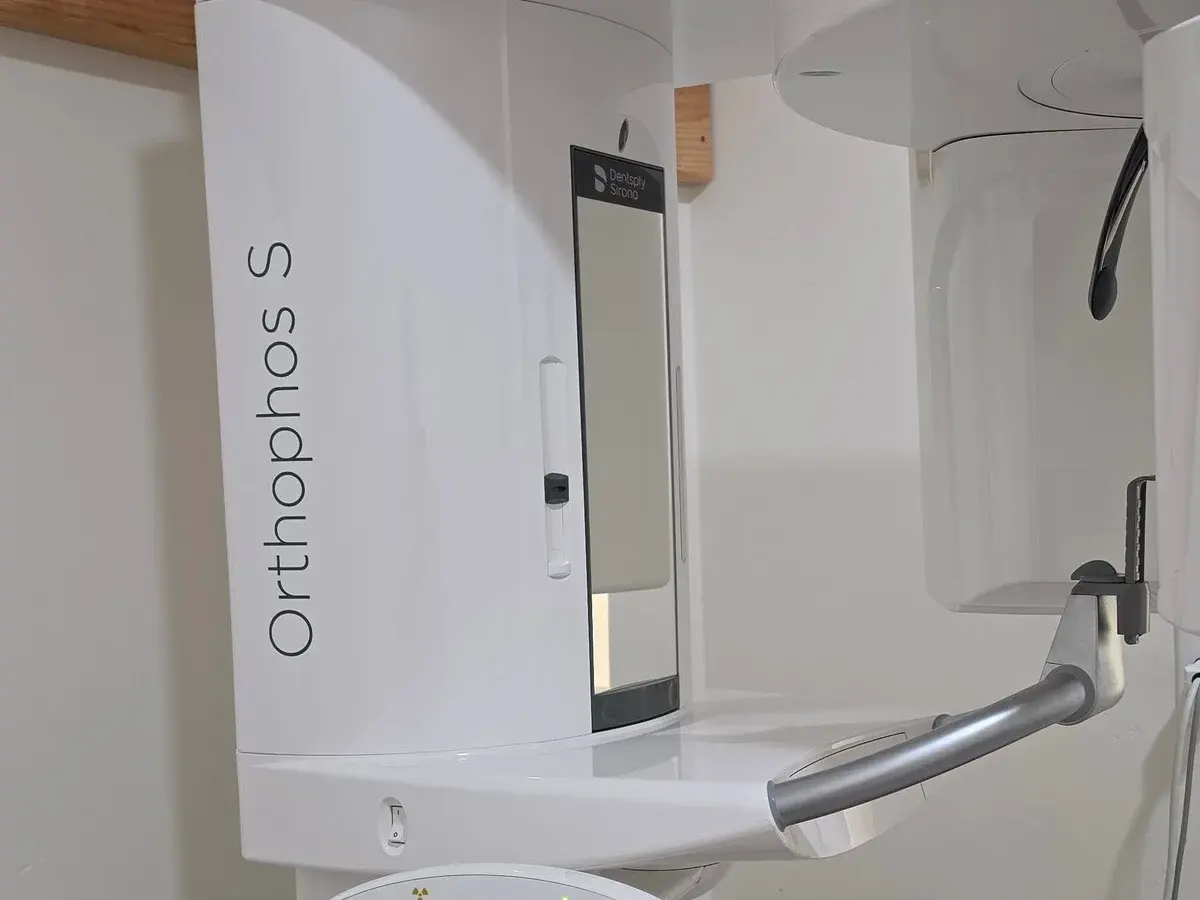
- 1Consultation and 3D scan. A 3D cone-beam scan measures your bone, maps nerves and sinuses, and lets Dr. Nasr plan each implant's position and angle before treatment. You'll review the plan, timeline, and costs before treatment.
- 2Treatment day. Any remaining failing teeth are removed, the implants are placed, and in many cases a temporary fixed bridge is attached the same day. That's where "teeth in a day" comes from. If the implants need to heal without load first, you'll have a temporary removable option in the meantime.
- 3Healing. Over the next several months, the implants fuse with your bone. You'll follow a soft-food diet early on, with check-ins along the way.
- 4Final bridge. Once you've healed, Dr. Nasr takes a digital scan, checks the design for fit, bite, and appearance, and attaches your final bridge, often made of zirconia or a reinforced acrylic.
- 5Maintenance. Regular visits keep the implants, gums, and bite healthy.
Treatment day is a big day, and we plan it that way. The area is fully numbed, nitrous oxide (laughing gas) is available, and Dr. Nasr can prescribe medication to help you relax beforehand. If you take it, you'll need someone to drive you to and from your appointment. Tell the front desk you're nervous; it changes how we schedule you, with more time and no waiting-room limbo.
Fixed vs. removable: full-arch implants vs. dentures
- Stability: A fixed bridge is secured to implants. A traditional denture rests on the gums and relies on suction or adhesive.
- Chewing: Fixed implant teeth usually let you bite and chew much more like natural teeth.
- Comfort: An upper full-arch bridge leaves the roof of your mouth uncovered.
- Bone: Implants help preserve the jawbone. Under a denture the jaw keeps shrinking, so dentures need relines or replacement over the years.
- Daily routine: Dentures come out every night. A fixed bridge stays in, and you clean it in place.
- Cost and time: Traditional dentures cost less upfront and require no surgery.
Removable dentures that snap onto implants also exist as a middle ground. For conventional options, see dentures; for replacing one or a few teeth, see dental implants.
Caring for your new teeth
Implants can't get cavities, but the gums around them can become inflamed if plaque builds up, so daily cleaning matters:
- Brush twice a day, paying attention to where the bridge meets the gums
- Use a water flosser, floss threader, or small interdental brushes under the bridge
- Keep your maintenance visits; Dr. Nasr may remove the bridge periodically for a thorough cleaning
- Tell us if you clench or grind, since heavy forces can wear or chip the bridge
What affects the cost of full-arch implants?
- One arch or both
- How many implants your jaw needs
- Extractions or bone grafting
- The materials for your temporary and final bridges
Whether you're comparing full-arch dental implants in Folsom or elsewhere, review the plan and costs before anything starts.
Creekside accepts most PPO insurance, and while coverage for full-arch treatment varies, our front desk checks your benefits ahead of time. In-house monthly payment plans are available.
Full-arch dental implants in Folsom with Dr. Nasr
Dr. Hamid Nasr has placed and restored implants for 13 years and is a member of the American Academy of Implant Dentistry and the International Dental Implant Association. You won't be passed between offices: your scan, surgery, temporary teeth, and final bridge all happen here, with the same doctor and team. Patients come to our East Bidwell office from around the area, including El Dorado Hills, about 15 minutes away.
If you're tired of failing teeth or a loose denture, book a full-arch consultation or call (916) 983-8777.
All-on-4® is a registered trademark of Nobel Biocare. Creekside Dentistry is not affiliated with Nobel Biocare; we use the term only to describe the general treatment approach.