Porcelain veneers can change the color, shape, and length of your teeth at the same time, which is why they're often the answer when whitening or bonding alone won't get you there. If you're considering porcelain veneers in Folsom, this page walks you through who they suit, what the process involves, and the trade-offs worth knowing before you decide.
A veneer is a thin shell of porcelain, custom-made for one tooth and bonded to its front surface. Porcelain reflects light much like natural enamel and resists staining well, so well-made veneers look like teeth, not like dental work.
Who is a good candidate for veneers?
Veneers are a strong option if your teeth are healthy but you're unhappy with how they look. They're commonly used for:
- Teeth that are chipped, worn down, or uneven in length
- Stains that don't respond to whitening, including some deep, internal discoloration
- Small gaps between front teeth
- Teeth that are slightly crooked or oddly shaped, when straightening isn't the goal
Veneers may not be the right first step if you have active decay or gum disease, which need treatment first. Heavy grinding or clenching doesn't always rule them out, but it does mean planning carefully and wearing a night guard. If your teeth are significantly crooked, Invisalign may straighten them first so fewer veneers, or thinner ones, are needed.
How veneers work: the process, step by step
Most veneer cases take a few appointments over a few weeks:
- 1Consultation. Dr. Nasr examines your teeth, gums, and bite, takes photos and digital records, and asks what you want to change and what you'd like to keep.
- 2Smile design and preview. The shape, length, and shade of each veneer are planned around your face, lips, and skin tone. You see and approve the plan before any tooth is prepared.
- 3Conservative preparation. With the area numbed, a thin layer of enamel is reshaped from the front of each tooth so the veneer sits naturally instead of looking bulky. Dr. Nasr removes only as much as your case requires.
- 4Temporaries, if needed. While your final veneers are being made, temporary veneers can protect the prepared teeth and let you try out the new shape.
- 5Bonding. Each veneer is checked for fit and color, then bonded to the tooth. Dr. Nasr then refines the edges and checks your bite so everything feels right when you chew.
One important point: once enamel has been reshaped for veneers, that tooth will always need a veneer or other restoration to cover it. Veneers are a long-term commitment, not something you can simply remove later.
How it works
A porcelain veneer is a thin shell bonded to the front of the tooth
- 1The veneer — custom porcelain, often thinner than a millimeter
- 2Your natural tooth stays underneath
- 3A very thin layer of front enamel is shaped so the veneer sits flush (dashed line)
How long do porcelain veneers last?
Porcelain is durable, and with good care veneers commonly last many years. They aren't permanent, though. Over time, a veneer may chip, the gumline may shift, or the bonding edge may wear, and at that point it can be replaced.
Caring for veneers is straightforward:
- Brush twice a day and floss daily, just as you would with natural teeth.
- Keep up with regular cleanings and checkups so the edges and gums stay healthy.
- Don't use your teeth as tools, and avoid biting directly into very hard things like ice or pen caps.
- If you grind or clench, wear a night guard while you sleep.
Porcelain resists stains, but the natural teeth beside your veneers don't. If you'd like a brighter overall shade, teeth whitening should happen before your veneers are made, so they can be matched to your new color.
Veneers vs. bonding vs. crowns
Each option fits a different situation:
- Composite bonding is tooth-colored resin shaped directly on the tooth, often in one visit with little or no enamel removed. It's ideal for small chips and gaps but is more prone to staining and chipping over time.
- Porcelain veneers cover the front of the tooth. They suit teeth that are structurally healthy but need a change in shape, color, or length, and they hold their color well.
- Crowns cover the whole tooth. They're the better choice when a tooth is cracked, heavily filled, or has had a root canal. At Creekside, many crowns are made in a single visit with CEREC same-day technology.
It's common for one smile plan to combine all three, depending on the condition of each tooth.
How much do porcelain veneers cost?
Cost varies from case to case. The main factors are how many teeth you're treating, how much preparation and groundwork your teeth need, whether temporaries are part of the plan, and how complex the design is.
Because veneers are usually considered cosmetic, dental insurance rarely covers them. If a veneer also repairs a damaged tooth, part of the cost may be covered. Our front desk checks your benefits before treatment, and in-house monthly payment plans are available.
Porcelain veneers in Folsom: see real results
The best way to judge veneer work is to see it. Here are real before-and-after porcelain cases from Dr. Nasr's own patients.
Real Creekside patients
Porcelain smile makeovers
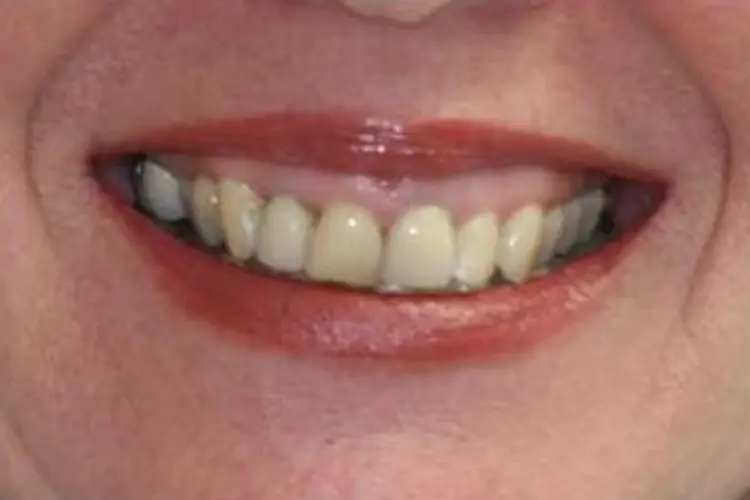 Before
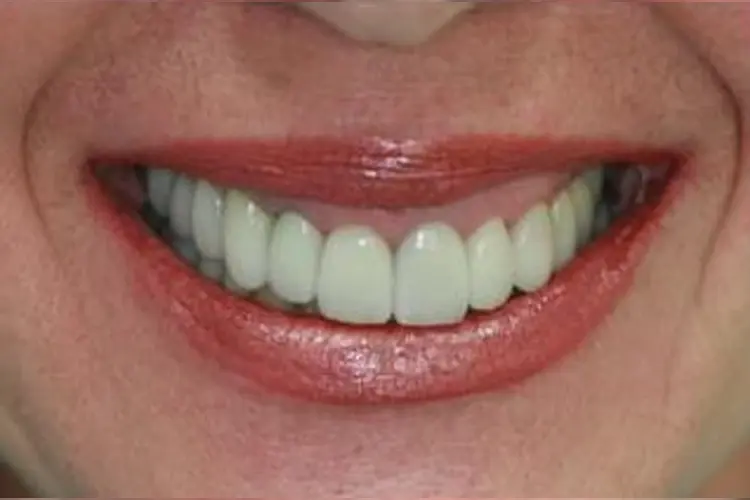 After
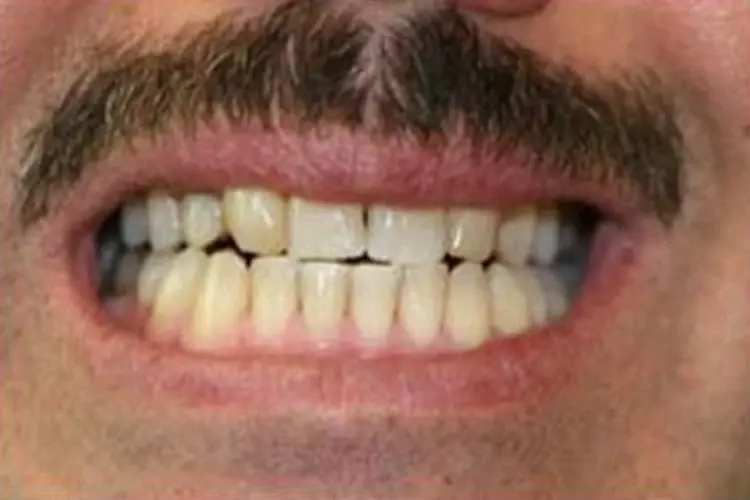 Before
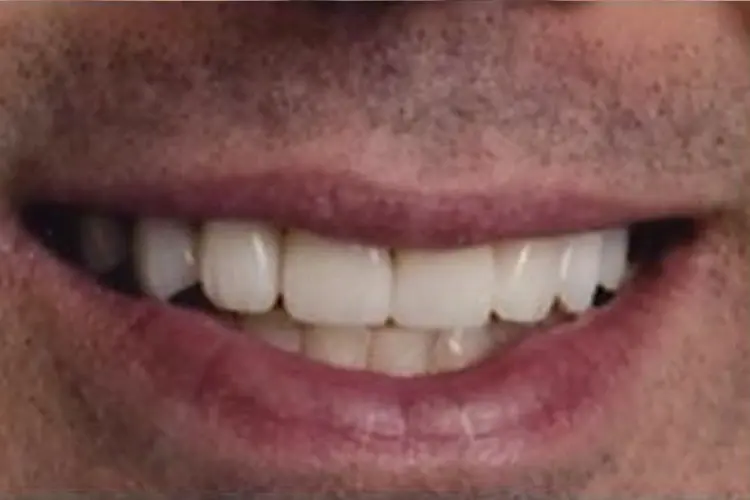 After
You can see more cases in our smile gallery. Dr. Nasr has practiced cosmetic dentistry for 20 years and has lectured nationally and internationally on cosmetic dentistry.
If you're weighing porcelain veneers in Folsom or nearby El Dorado Hills, a consultation gives you a clear plan and an honest opinion on whether veneers are the right choice. Book your veneer consultation or call (916) 983-8777.